How to Practice Swedish Speaking at Home (Without a Tutor)
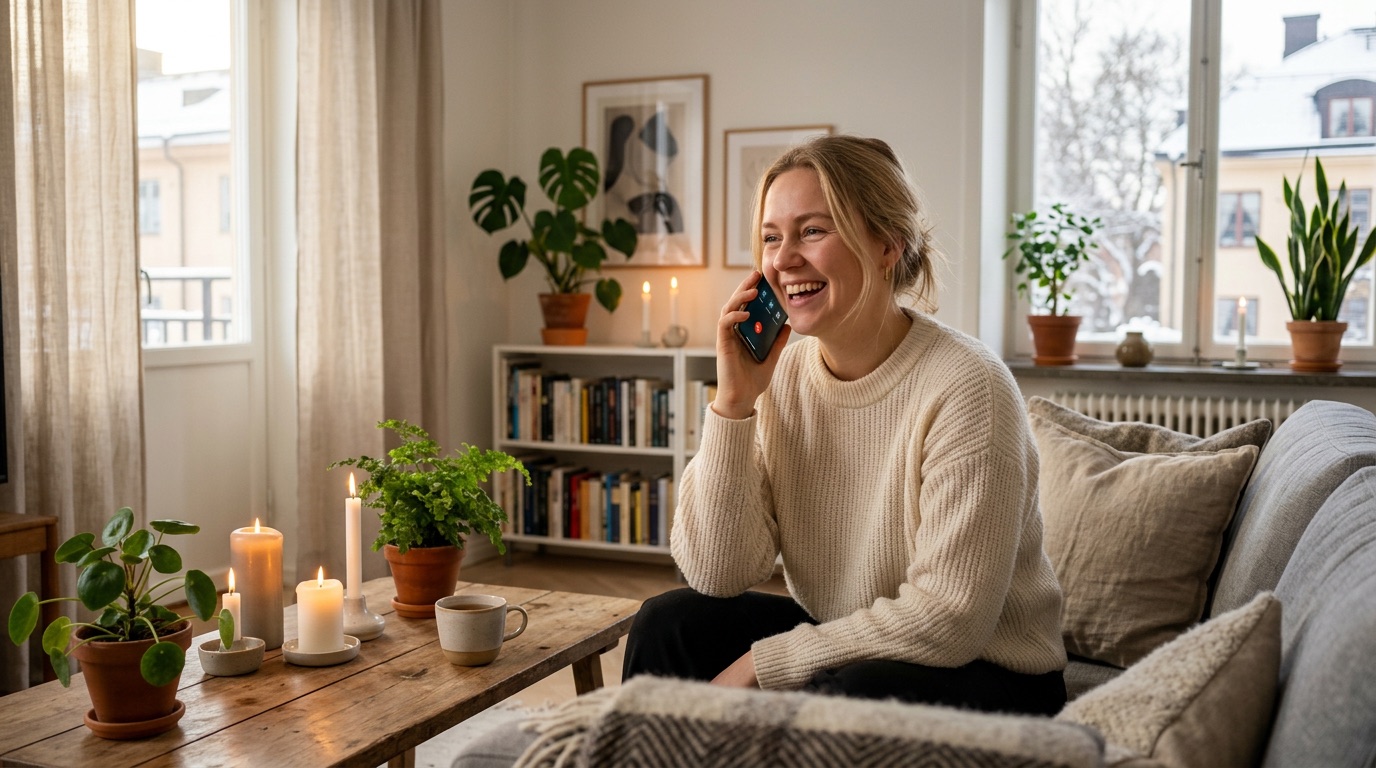
Speaking is the part most learners skip
It is easy to read and tap through an app for months and never say a Swedish word out loud. Then the first real conversation arrives and the mouth will not cooperate. Speaking is a physical skill, and it only improves with reps.
Swedish has two things that surprise English speakers: the famous sj-sound (as in sjö, lake) and the sing-song pitch accent — the melody that separates anden (the duck) from anden (the spirit). Neither is hard once you hear it enough, but you have to say them out loud to own them.
Five things you can do today
- Read aloud. Say every Swedish sentence you study out loud, even alone. Silent reading trains your eyes, not your mouth.
- Shadow native audio. Play a native recording and speak a beat behind it, copying the rhythm and the melody.
- Record yourself. Your phone's voice recorder is a brutal but honest coach — compare with the native version.
- Name things out loud. Walk through your home naming objects: en spegel, en tvål, en säng.
- Talk to yourself. Narrate small actions: Jag dricker kaffe (I'm drinking coffee).
Where an app helps — and where it doesn't
Speech-recognition feedback is genuinely useful for one thing: telling you instantly whether your word was clear enough to be understood, hundreds of times, without a human getting bored. That is hard to replicate alone.
Be honest about the limits. An app checks single words and short phrases; it will not teach you the full pitch-accent melody of a long sentence, and it is no substitute for a real conversation. Use it to build confidence and clean up sounds, then take that into real talk.
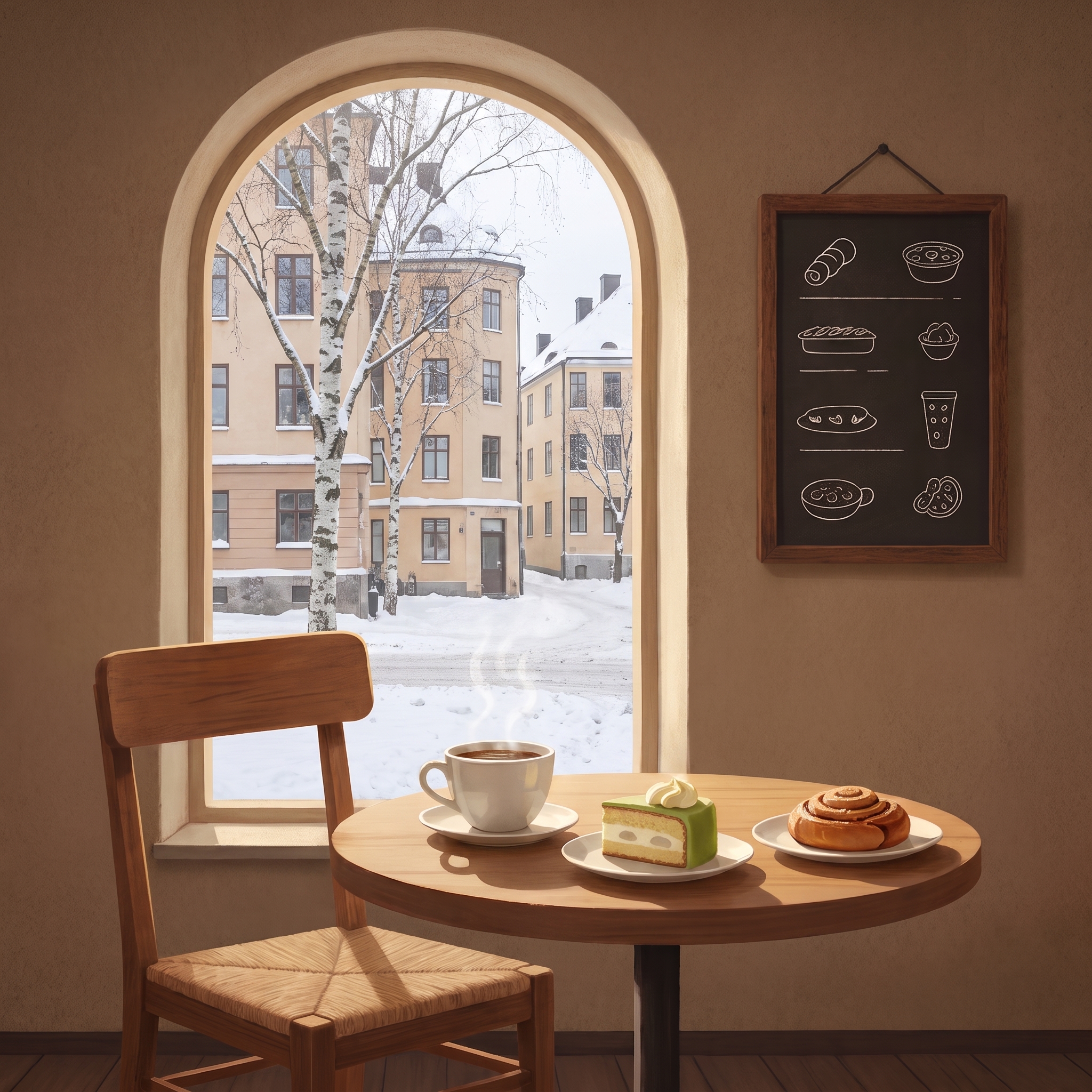
SvenskaSpeak's Picture Scenes end with a Say step: you speak the word out loud and on-device speech recognition tells you instantly if it was clear — your voice never leaves your phone. café · caféet
Explore Picture Scenes →A 10-minute daily speaking routine
Two minutes shadowing native audio, three minutes reading your lesson aloud, three minutes naming objects around you, two minutes recording and comparing. Ten minutes a day beats an hour once a week.
Practise speaking Swedish, hands-free
SvenskaSpeak's Say mode and Hands-Free practice check your Swedish pronunciation on-device and give instant feedback. Free to start.
Frequently asked questions
Can I learn to speak Swedish without a tutor?
You can get a long way alone — pronunciation, vocabulary and confidence with words and short phrases. For fluent conversation and the pitch accent, real interaction eventually helps, but you do not need it to start.
How do I pronounce the Swedish sj-sound?
It varies by region, but a common version is a soft, breathy "hw/sh" made with rounded lips, further back than the English "sh". The best approach is to imitate native audio repeatedly rather than chase a perfect rule.
Does speech recognition actually help with Swedish?
For single words and short phrases, yes — instant, repeatable feedback on whether you were clear is valuable practice. It complements, rather than replaces, speaking with real people.