Swedish Home Vocabulary: Everyday Words for Every Room
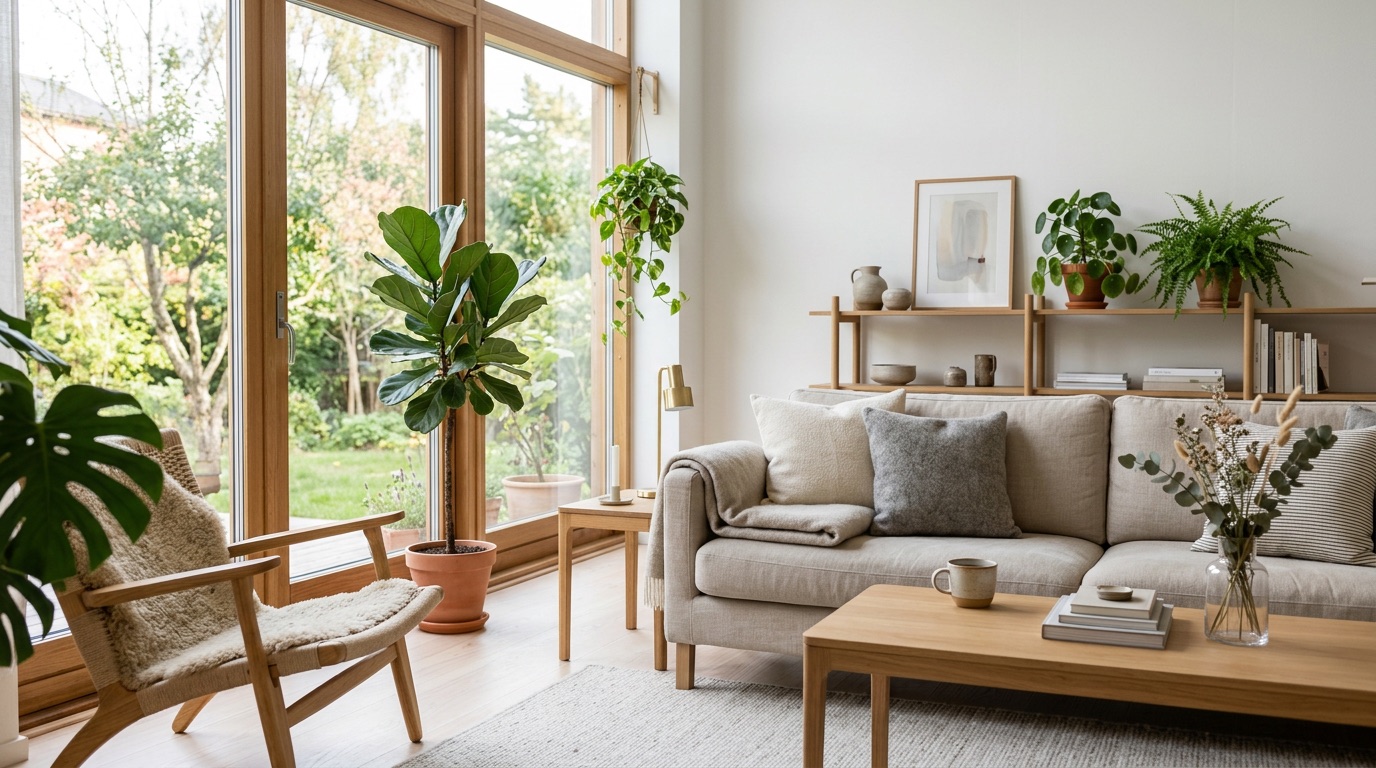
Why start with the home
The home is the best place to begin Swedish vocabulary: you are surrounded by it every day, which means free, automatic review built into your life. And because every noun below comes with en or ett, you learn the gender at the same time.
Learn the article with the noun from day one — note whether it takes en or ett, because that decides the definite ending later.
In the kitchen — köket
- ett kylskåp — fridge
- en spis — stove
- en ugn — oven
- en tallrik — plate
- ett glas — glass
- en kniv — knife
- en gaffel — fork
- en sked — spoon
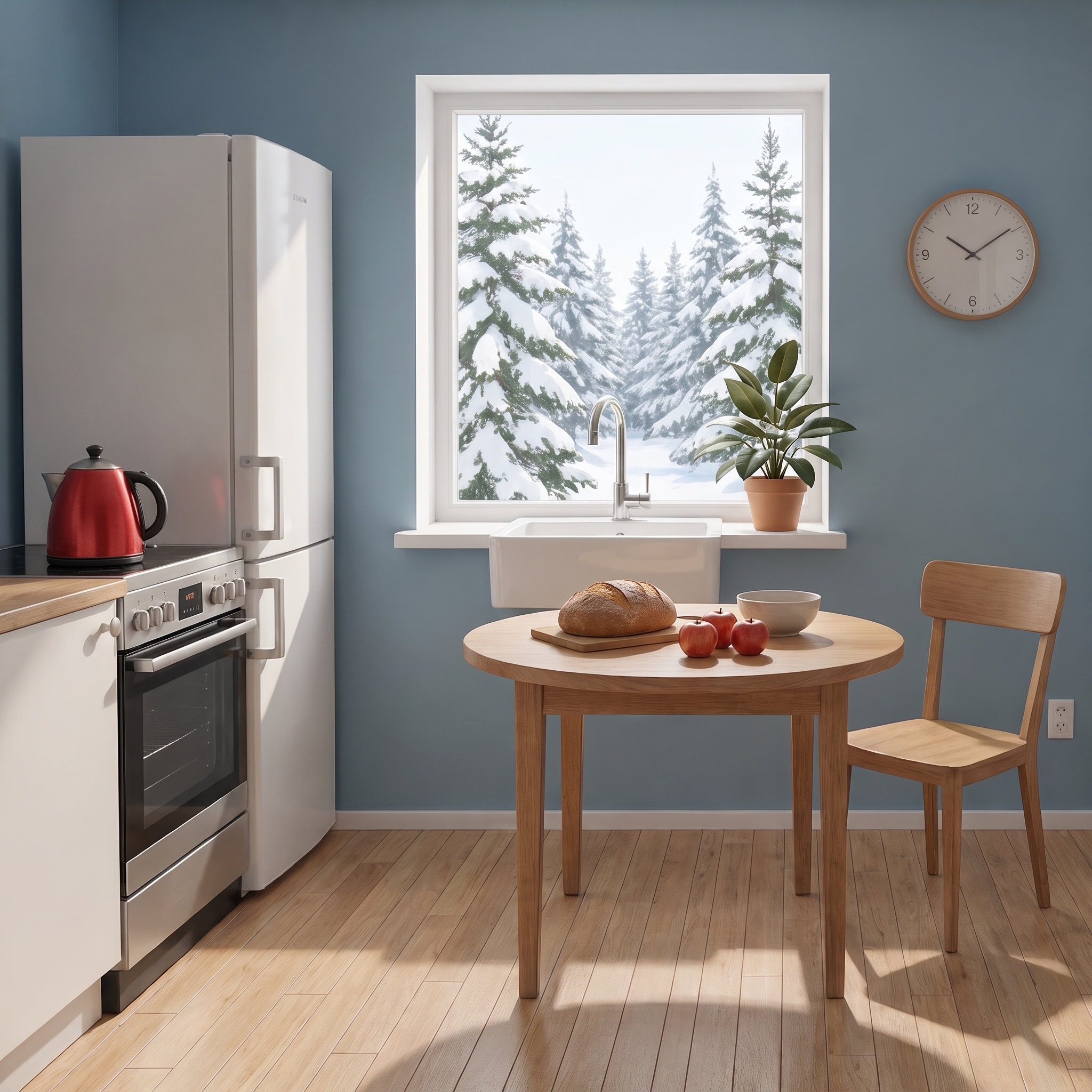
Every one of these kitchen words lives in the SvenskaSpeak kitchen scene — tap the fridge, hear “kylskåp,” and it sticks. kitchen · köket
Explore Picture Scenes →
In the bathroom — badrummet
- en spegel — mirror
- en tvål — soap
- en handduk — towel
- en tandborste — toothbrush
- en dusch — shower
- en toalett — toilet
In the bedroom — sovrummet
- en säng — bed
- en kudde — pillow
- ett täcke — blanket/duvet
- en garderob — wardrobe
- en lampa — lamp
- ett fönster — window
How to actually remember them
Do not learn all of this at once. Pick one room, learn six words with their articles, and say them out loud as you touch the real objects tonight. Reviewing words in the place they belong is what turns a list into lasting memory.
Walk through a Swedish home in the app
SvenskaSpeak's Picture Scenes let you tap around a kitchen, bathroom and bedroom to learn every object by sight, sound and voice. Free to start.
Frequently asked questions
How do you say house in Swedish?
House is ett hus, and home is ett hem. "At home" is hemma and "home (to)" is hem: Jag går hem = I'm going home.
What is the Swedish word for kitchen?
Kitchen is ett kök. Other rooms: bathroom = ett badrum, bedroom = ett sovrum, living room = ett vardagsrum, hallway = en hall.
Should I learn Swedish nouns with en or ett?
Yes — always. The choice of en or ett decides the definite form and the adjective ending, so learning it with the noun from the start saves re-learning later. About three quarters of nouns are en-words, but check each one.